

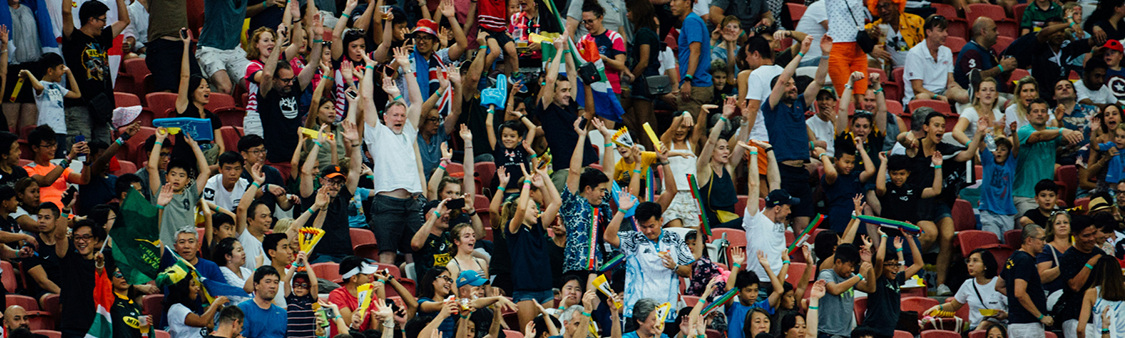
Sports, in all of their variations, are important to all cultures. It’s one of the biggest displays of strong communities, whether it brings a specific team or a whole country together. Many widely-known sports, like soccer, can attribute these fandoms to their representative country’s economy, as the global sports market generated over 500 billion in revenue in 2023.
This success extends beyond the fanatics being shown on the megatron or televised on sports channels during the games themselves; it also feeds into the stadium chasers, the foodies, collectors, and more sub-communities influencing travel, consumerism, brand engagement, and social dynamics.
In this blog, we will delve into just how influential this expansive sports fandom can be, define the hyper-focused groups, and demonstrate how shared emotional experiences can create intense bonds and trends.
How Sports Turn Us Into Travelers Without Realizing It
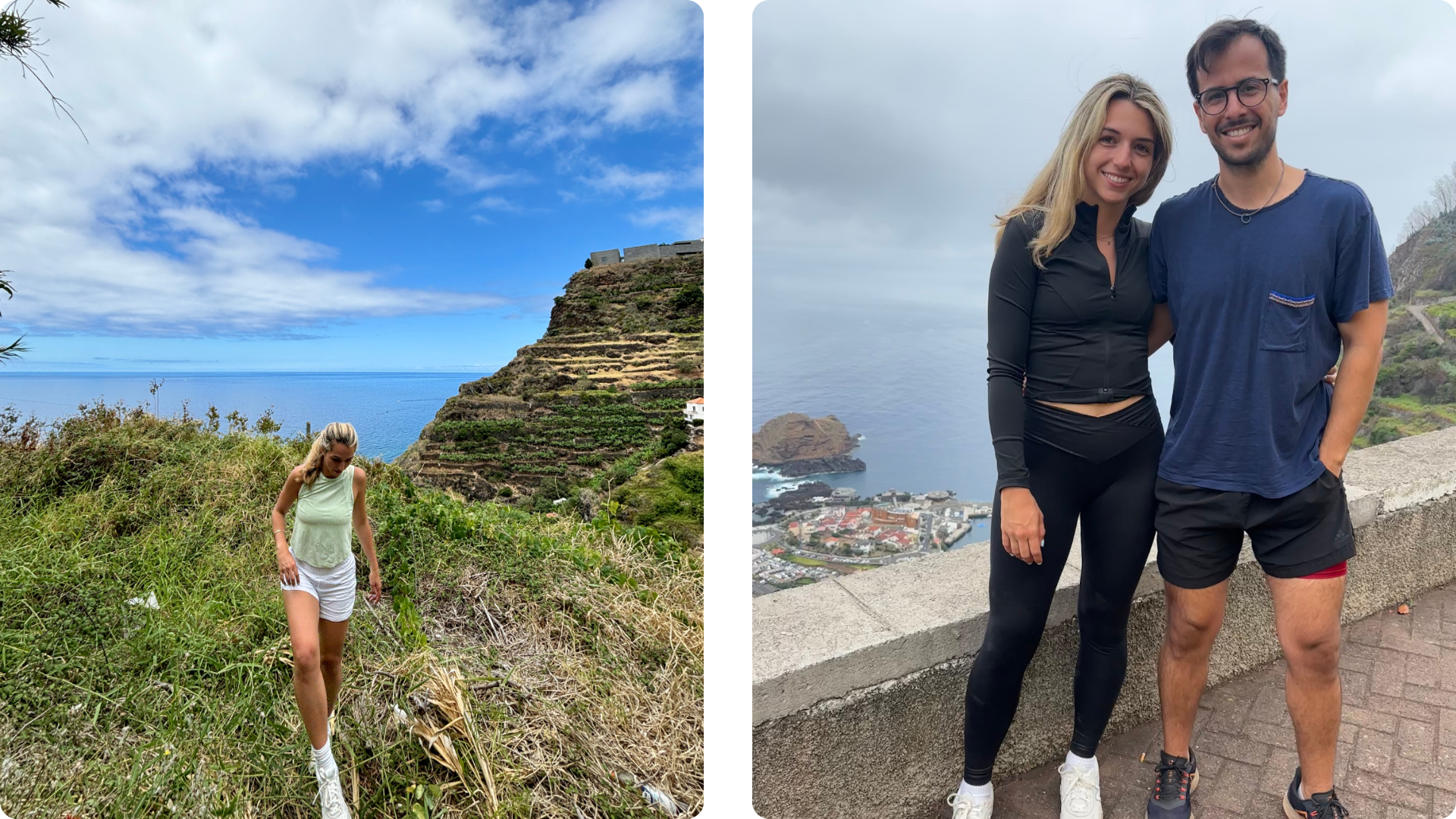
Sports are a catalyst for travel and consumerism. I’ve never been one to be influenced by sports in any obvious way, until I realized that my honeymoon was inspired by the one and only Cristiano Ronaldo, everyone’s favorite Portuguese soccer player, who just so happens to be from Madeira, a Portuguese island. You can probably guess that my husband is a soccer fan (we’re Argentinian, we can’t help it). We would have never found out about the “Hawai’i of Europe” or had the most perfect honeymoon I could have asked for if it weren’t for our friend, Cristiano. I never would have imagined I would be grateful to soccer, but here I am. I’m sure I am not the only one who visited the island because of Cristiano Ronaldo, as this is just one example of athletes unintentionally becoming the ambassadors of their home country.
For example, in moving to the United States to play in Miami’s soccer league, Lionel Messi, the famous and beloved Argentine soccer player, brings eyes and influence to typical Argentinian staples like drinking Yerba Mate. When I would drink this in college, people would ask me (complete with a grossed-out face) what I was drinking. I’m sure I would not get as many reactions now as I did then.
The Rise of the Stadium Chasers
There is also a group of sports fans who consider themselves to be “Stadium Chasers,” traveling to specifically visit other stadiums or attend games in various cities or countries. Whether they want to travel to every stadium of their favorite sport, such as the Ballpark Chasers group, want to visit every famous stadium in the world, or visit every stadium their favorite player has been a part of, fans of this nanocommunity all consider stadiums as a “collectible”.
Examples of iconic venues that attract these travelers include Fenway Park and the Yankee Stadium for baseball fans, Real Madrid and Wembley Stadium for the soccer fans, St. Andrews and Augusta National Golf Club for the golfers, Madison Square Garden and the Staples Center for the basketball fans, and more.
Global Events as Travel Magnets
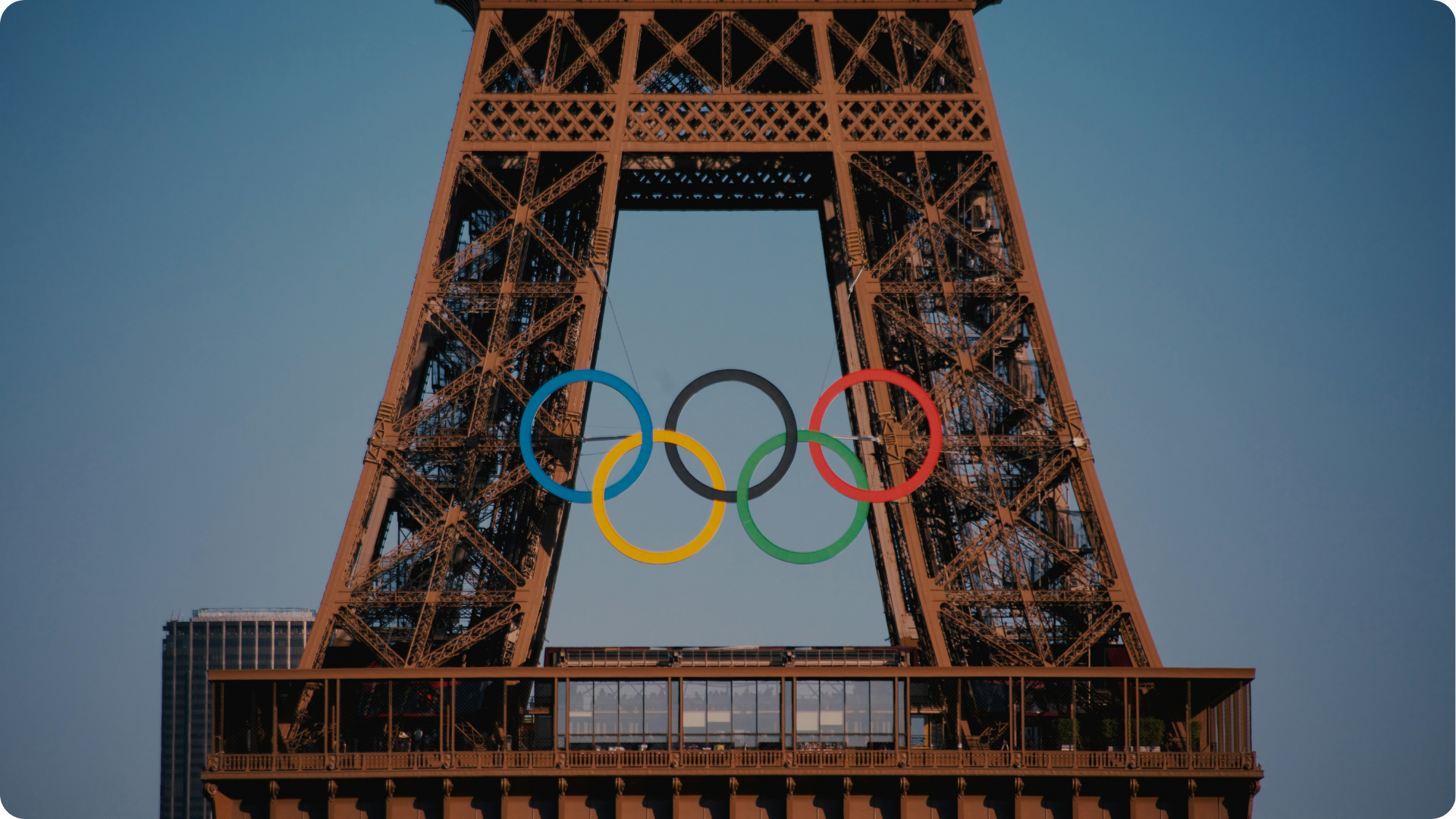
Major championships and spectacles, such as the Olympics, the World Cup, or the Super Bowl, serve as primary travel motivators for fans. The immense scale of these events is reflected in audience growth, such as the Women’s World Cup, which was expected to potentially double the 1.12 billion viewers who watched the tournament in 2019. The fans who go out of their way to travel to these global sporting events take advantage of the trip and extend their stay to explore the host city.
For example, Paris during the 2024 Olympics or the annual French Open, Brazil during the 2014 FIFA World Cup, London during the annual Wimbledon tennis tournament, New York for the US Open, NBA championships, and more. Athletes-turned-content-creators, who have seen a rise in influence over the past year, also inspire fans to travel to the destination they are playing at. A prime example of this is Ilona Maher at the 2024 Olympics, creating fun and relatable content on TikTok and attracting a big Gen Z audience, both online and on-site.
The economic influence of sports isn’t only thanks to the direct consumerism of securing tickets to the big game and waiting in line to buy overpriced merchandise at the stadium – consumerism can be indirect as well. This includes expenses like travel costs, subscriptions to sports media, and the drive to stay connected with fellow fans through fanbases such as fantasy sports leagues, which have increased viewership of media, as fantasy league players are more likely to want to watch matches between teams they don’t consider themselves fans of.
The Stadium Foodie Phenomenon
Foodies are one of the biggest influencer categories, as content centered around food and drink tends to get the most engagement. Considering this, it’s no surprise that ‘Stadium Foodies’ are another niche nanocommunity focusing on culinary experiences offered at sports venues. These fans may travel to other stadiums specifically for the unique stadium food, as stadiums in cities that are known for their cuisine often incorporate local staples into their food. The consumption experience extends beyond the game, transforming the stadium into a location for unique culinary opportunities.
What This Means for Brands and Destinations
As a brand, understanding how to tap into these unique fan communities—from the Traveling Fan to the Stadium Foodies—is crucial for driving financial success and increasing destination advocacy. In order to attract the sports traveler, it’s important to understand what motivates these audiences to travel and experience the sport beyond the stadiums in order to create a strategy to appeal to these nanocommunties.
This includes targeting stadium chasers traveling to see iconic venues (like the Yankees or Real Madrid Stadium) or appealing to stadium foodies who travel specifically for the culinary experiences at sports venues. It’s also important to dig deeper than the surface-level interests, as sports encompass culture, purpose, and even a safe haven. This means showing the consumer what they can get out of the location that is unrelated to sports, showing them why the destination will continue to bring their community together.
In today’s tech-forward society, the relationship between producers of sports events and consumers is one of co-creation, as sports media is not the only content creator since fans are also creating content with their own unique point of view. This creates the perfect opportunity for destinations to integrate themselves into creators’ communities by engaging directly with the sports sub-communities online, therefore creating a sense of belonging for sports enthusiasts.
Brands should market with communities, not at them, as 69% of people globally feel brands should involve creators and communities in more decisions. . Examples of this participation include the Detroit Lions temporarily changing their logo based on a creator's suggestion or the MLB’s Creator Class program, which invites TikTokers to become brand ambassadors.
Athletes as Their Own Fan Communities
Seeing how athletes have their own fanbases aside from their team’s fanbases (such as Messi, who has fans that don’t consider themselves to be Argentina or Inter Miami fans), it’s safe to say that athlete personalities are one of the strongest assets in sports marketing on and off the field. Content that showcases an athlete's character or personal interests such as American sprinter Noah Lyles’ love of anime, adopting the nickname "the world's fastest anime fan", helps build stronger connections with viewers. A great opportunity for a city’s famous bakery and an athlete would have been after the 2024 Paris Olympics, when Norwegian swimmer Henrik Christiansen became known as the "Muffin Man" on social media for his love of the chocolate muffins at the Olympic Village. By embracing culture and trending conversations with content strategy, destinations can reach a wider audience.
In summary, the diverse landscape of sports fandom not only drives significant commerce and travel, it also brings communities together. Fan passion translates directly into economic activity through specialized groups, such as the Traveling Fan, including Stadium Chasers and those motivated by Event-Driven Tourism, and other niche interests like Stadium Foodies. Destinations should strategize to embrace human-led storytelling with deeper meanings, and recognize the influence of individual athletes who gain more influence through their personal brands as opposed to their teams’. Interacting with these fans through community management will also appeal to the audience, making the destination more welcoming to the consumer.
What specific community or nanocommunity are you a part of, and how do you define your emotional connection to The Game?
